

The merger is expected to close in the second half of 2026, subject to regulatory approvals, Extraordinary Shareholder Meeting consents, and customary closing conditions. Subsea7 shareholders will receive 6.688 new Saipem shares for each Subsea7 share held, and a €450 million one-off dividend will be paid prior to deal completion. Upon close, shareholders of Saipem and Subsea7 will each hold approximately 50% of Saipem7.
Strategic Rationale and Business Scale
Combining Saipem’s and Subsea7’s global operations aims to offer a full spectrum of services—from drilling and onshore construction to offshore wind and decommissioning.
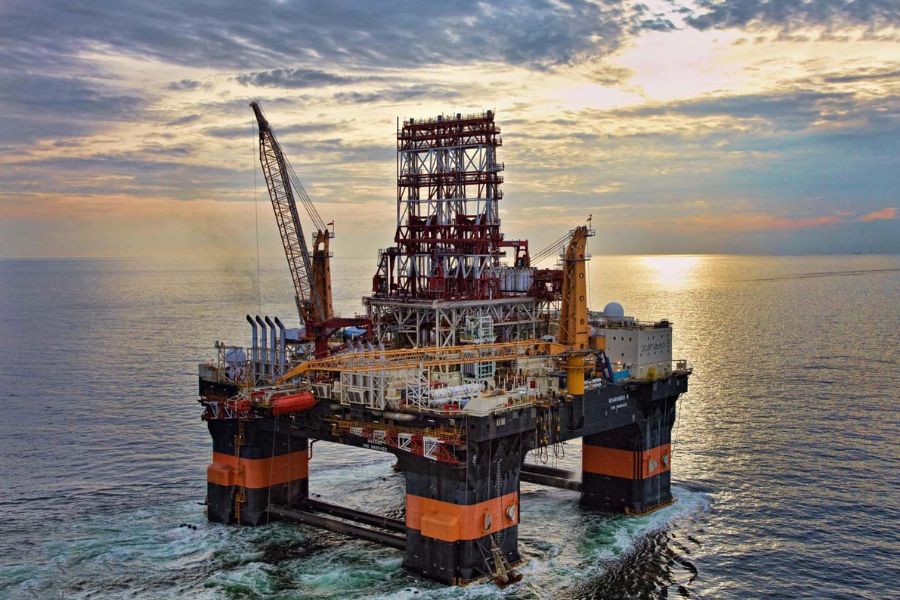
The merged company will operate in more than 60 countries, employ roughly 44,000 people (including over 9,000 engineers and project managers), and command a fleet of over 60 construction vessels capable of ultra-deepwater, cable-lay, flexible-pipe, and high-end pipelaying solutions.
Projected financial metrics include:
Revenue: €21 billion
EBITDA: over €2 billion
Backlog: approximately €43 billion
Free Cash Flow: north of €800 million/year
Annual synergies: ~€300 million by year three, driven by fleet optimisation, rationalised procurement, and streamlined operations
Transaction Structure, Governance, and Ownership
The merger will be executed as a cross-border statutory merger, absorbing Subsea7 into Saipem. Saipem7 will remain incorporated in Italy, headquartered in Milan, and listed on both the Milan and Oslo stock exchanges.
Corporate governance has been aligned across major shareholders:
Siem Industries (largest Subsea7 shareholder) will hold ~11.8% and nominate the Chairman (expected to be Kristian Siem).
Eni and CDP Equity (major Saipem shareholders) will hold ~10.6% and ~6.4% respectively, with the CEO to be designated by their group (expected: Alessandro Puliti)
Operational Structure and Portfolio
The combined company will be organized into four business lines:
Offshore Engineering & Construction (operating under the retained Subsea7 brand as a standalone legal entity)
Onshore Engineering & Construction
Sustainable Infrastructures
Offshore Drilling
The Offshore division alone is expected to generate over 80% of Saipem7’s EBITDA, encompassing both Subsea7’s existing operations and Saipem’s offshore wind and asset-based service portfolio. Both companies are well known for their EPC and FEED contracting expertise, with Saipem recently being engaged as the main EPC Contractor for Liverpool Bay CCS Project by Eni following project’s financial close.
Timing, Next Steps, and Market Impact
Key milestones ahead include votes at Extraordinary General Meetings expected on 25 September 2025, and ongoing antitrust reviews, particularly in European jurisdictions. Final completion remains contingent on regulatory clearance and shareholder approvals by mid to late 2026.
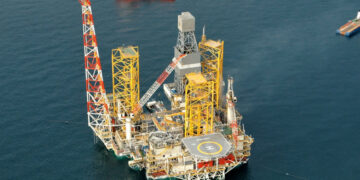
Saipem7 represents a bold strategic response to growing project complexity and scale in offshore energy—including oil & gas, decommissioning, and renewable sectors like offshore wind. The combined capability is expected to deliver greater scheduling flexibility, technological innovation, and global scale for clients across energy and infrastructure markets.
Related Project and News