
Knowledge Hub
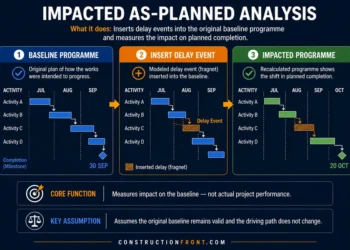
Impacted As Planned Analysis: What It Is, How It Works, and When It Fails in Construction Claims
On a live project, delay entitlement often turns on one practical question: if this event had not happened, would completion still have moved? That question is really important when parties are pricing risk, issuing notices, resisting liquidated damages, dealing...
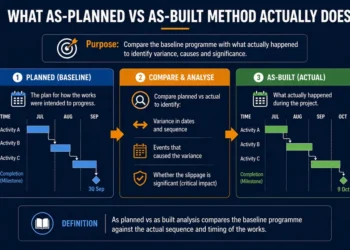
As-Planned vs As-Built Analysis in Construction: How the Method Works and When to Use It
Projects rarely drift off programme because of one isolated event. More often, the problem starts with late information, restricted access, design changes, procurement delay, slow approvals, productivity loss, or failed recovery efforts. When that happens, teams do not...
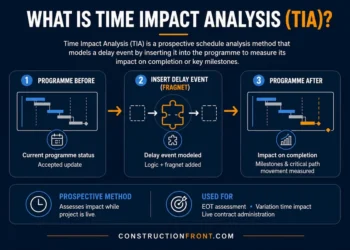
Time Impact Analysis (TIA) in Construction: What It Is, How It Works, and When to Use It
Delay analysis in construction is always a live issue on distressed projects. Once progress starts slipping, the argument usually moves quickly from programme updates to responsibility, extension of time entitlement, mitigation, and downstream cost exposure. Among the different...
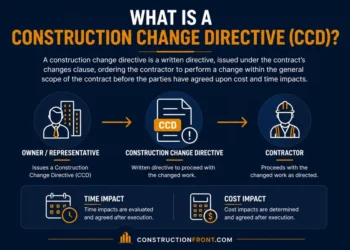
Construction Change Directive (CCD): What It Is, Contractor Rights, Process, and Entitlement Protection
A construction change directive is one of the most commercially sensitive documents on a project. It directs the contractor to proceed with changed work before the parties have agreed the final adjustment to contract price, completion dates, or both....
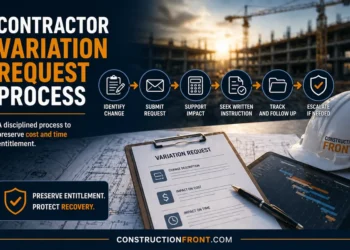
Contractor Variation Request Process: Step-by-Step Guide to Preserving Entitlement
A contractor variation request is not just a procedural step — it is the point where entitlement is either preserved or lost. On live projects, variation requests are frequently rejected not because the work is not valid, but because...
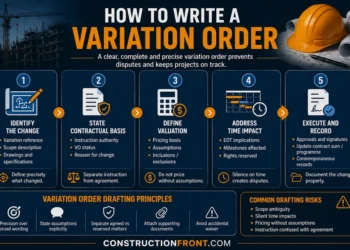
How to Write a Variation Order: Template, Key Clauses, and Common Mistakes
Knowing how to write a variation order matters because this document does more than record a change. It is the contract record that instructs or confirms a change to the works and states how scope, valuation, time impact, and unresolved...
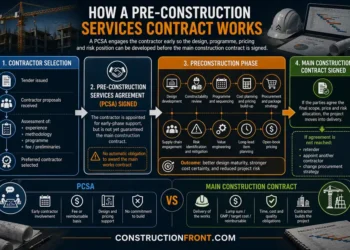
How a Pre-Construction Services Contract (PCSA) Works (And When to Use It)?
Selecting the right contract model is one of the most important commercial decisions on any construction project. Different models create very different management strategies, risk allocation outcomes, and delivery behaviours. For example, an EPC contract usually pushes more design, procurement,...
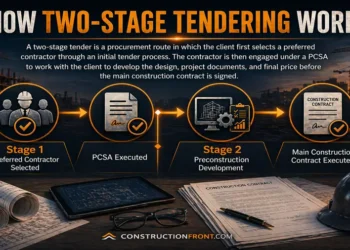
How Two Stage Tendering Works? (And When to Use it)
On many construction projects, the hardest procurement decision is often when to ask the market for a final price. If the contractor is required to submit a fully fixed price too early, the bid may include large contingencies...
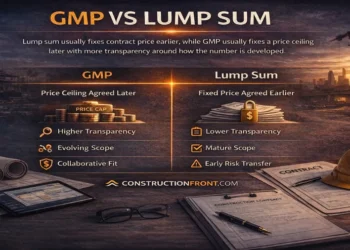
GMP vs Lump Sum in Construction: What’s the Difference?
On many construction projects, one of the hardest commercial decisions is when to lock in the price. If the price is fixed too early, the contractor may include large contingencies for unresolved design, unclear quantities, and uncertain risk....
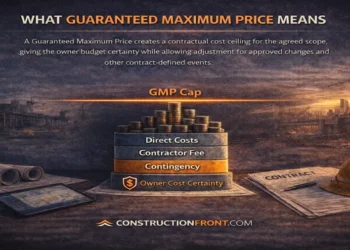
What Is a Guaranteed Maximum Price (GMP) in Construction? (And How It Works?)
On many construction projects, one of the hardest commercial questions is when to lock in the final price. If the price is agreed too early, the contractor may include large contingencies for unresolved design and risk. If it...
Construction intelligence, commercial insight and practical resources for infrastructure and energy professionals.