

HS2 Ltd has awarded the Taylor Woodrow-Aureos Rail joint venture a £856 million contract to deliver the Washwood Heath rolling stock depot and Network Integrated Control Centre in Birmingham.
The contract covers the design and construction, testing and commissioning of key operational infrastructure for the future HS2 high-speed rail line. Taylor Woodrow is a subsidiary of VINCI Construction, and will deliver the package in a 50/50 joint venture with Aureos Rail.
Washwood Heath Depot – Project Background
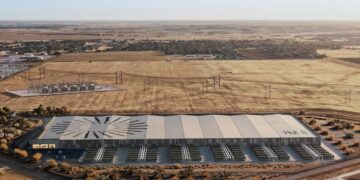
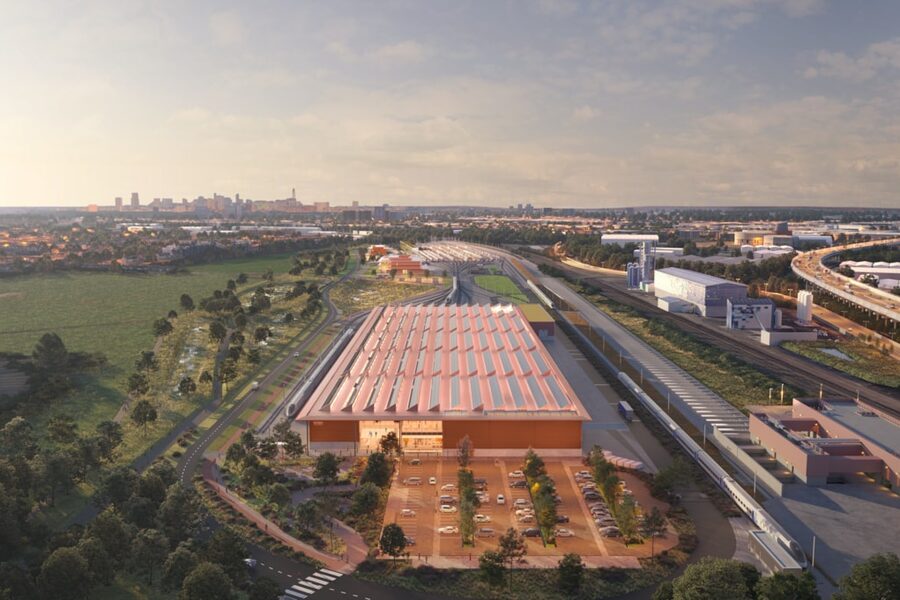
The Washwood Heath depot is planned for a disused 70-hectare brownfield site in Birmingham formerly occupied by the LDV and Metro-Cammell works. According to HS2, the site will be transformed into a major operational hub for the railway and a wider business and logistics location for the area.
The new depot will cover around 30 hectares within the site and will support the maintenance, inspection, cleaning, stabling and testing of HS2 trains. The site will also accommodate the Network Integrated Control Centre, where staff will manage train dispatch, driver communications and day-to-day railway operations.
HS2 states that around 1,000 long-term jobs are expected to be created at the depot, with around 500 temporary roles during construction. Remaining land around the operational facility is expected to be released for commercial development and used to create green space and wildlife habitat.
The site has already been subject to enabling works by Balfour Beatty VINCI, HS2’s construction partner in the West Midlands. HS2 said those works included levelling disused industrial buildings, treating contaminated ground, and preparing the site for the start of construction.
Taylor Woodrow-Aureos Rail JV Scope of Works
The contract includes the delivery of a rolling stock maintenance depot and the Network Integrated Control Centre for the HS2 network. VINCI states that the scope covers design, construction, testing and commissioning of the facility.
Key project elements include:
- a rolling stock maintenance building,
- a train washing facility,
- an automatic vehicle inspection building,
- stabling tracks for overnight train storage,
- a dedicated test track,
- the Network Integrated Control Centre, and
- offices and facilities for cleaners and drivers.
HS2 said the joint venture will work with HS2 Ltd and the future operator to finalise site requirements and complete the design before building, testing and commissioning the depot. The award comes as HS2 undergoes a programme reset intended to improve delivery efficiency and cost control.
The package is commercially significant because it is not only a civil construction contract. It combines building works, rail systems, commissioning, operational control facilities and whole-life maintainability requirements within a single critical railway operations site.
HS2 Depot Contract – Key Project Data
| Project Element | Confirmed Detail |
|---|---|
| Client | HS2 Ltd |
| Contractor | Taylor Woodrow Infrastructure Ltd and Aureos Rail Ltd joint venture |
| JV Structure | 50/50 joint venture |
| Contract Value | £856 million / approximately €990 million |
| Location | Washwood Heath, Birmingham, United Kingdom |
| Site Area | 70 hectares |
| Depot Footprint | Approximately 30 hectares |
| Scope | Design, construction, testing and commissioning of depot and NICC facilities |
| Construction Employment | Approximately 500 temporary roles |
| Long-Term Employment | Approximately 1,000 long-term jobs |
European Rail Infrastructure Outlook
The Washwood Heath award reinforces the continued scale of rail infrastructure procurement in Europe, particularly where operational systems and long-term asset performance are central to the project case. High-speed rail programmes require more than track and civil works; they also depend on maintenance depots, control centres, testing facilities and integrated systems that allow the railway to operate reliably once opened.
Construction Front has tracked similar European rail momentum, including the HOCHTIEF consortium securing the next construction phase of Prague Metro Line D, six consortia shortlisted for Poland’s first high-speed rail line, and Webuild’s consortium wins on Southern Italy rail contracts.
For contractors, the pattern is clear: major rail programmes are increasingly being packaged around interfaces between civil infrastructure, systems, operations, commissioning and long-term maintainability. That creates opportunities for teams able to combine heavy construction capacity with railway systems and operational integration capability.