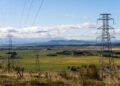


TasNetworks has reached financial close for Stage 1 of the North West Transmission Developments in Tasmania, completing the financing arrangements for a major transmission upgrade intended to increase network capacity between Cressy, Sheffield, Heybridge and Burnie.
The milestone completes project financing requirements for the transmission upgrade, including debt funding from the Clean Energy Finance Corporation and equity funding from the Tasmanian Government. TasNetworks said it expects to issue notice to proceed to head contractor Genus in the coming months, once remaining approvals are resolved.
North West Transmission Developments – Project Background
The North West Transmission Developments project is being progressed by TasNetworks as a major upgrade of Tasmania’s electricity transmission network. TasNetworks describes the project as a “once in a generation” network upgrade designed to strengthen transmission capacity as the state’s energy demands increase.
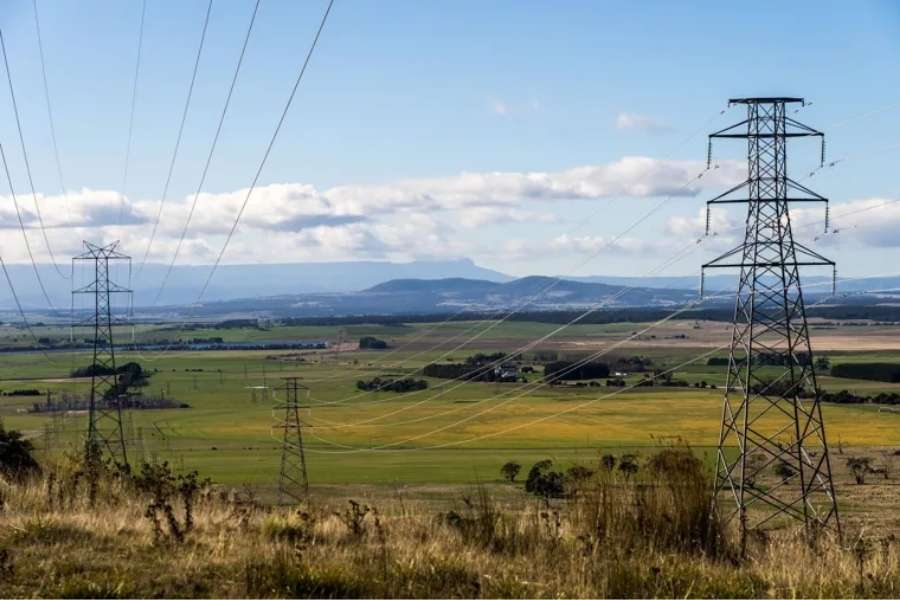
Stage 1 includes 129 km of new and upgraded transmission lines, as well as new substations and a switching station. The route extends from Cressy to Burnie via Sheffield, supporting the broader network upgrades required in north-west Tasmania.
The project is also linked to Project Marinus, which includes Marinus Link and associated transmission infrastructure. CEFC states that NWTD and Marinus Link will increase electricity capacity between Tasmania and mainland Australia, supporting renewable energy integration, system reliability and access to mainland solar generation.
Construction for Stage 1 is due to commence in 2026, subject to remaining regulatory and approval steps. TasNetworks said full construction will begin once Tasmanian Planning Commission permit conditions have been satisfied and proceedings before the Tasmanian Civil and Administrative Tribunal have been resolved.
Financial Close and Funding Structure
TasNetworks said project financing requirements are now complete for NWTD Stage 1. The funding package includes a concessional loan of up to A$1.2 billion from the Clean Energy Finance Corporation under the Australian Government’s Rewiring the Nation program, together with equity funding secured from the Tasmanian Government.
The Clean Energy Finance Corporation said the low-cost, long-term financing, combined with TasNetworks’ lower-returning equity, is forecast to reduce network charges paid by consumers for the project by around 55% over the life of the project compared with standard regulatory settings.
The Australian Energy Regulator has approved cost recovery of A$1.175 billion for the project. As part of the financial close decision, the TasNetworks Board approved a total project cost estimate of A$1.317 billion, including risk and contingency provisions.
Genus Head Contractor Role and ECI Phase
GenusPlus Group was appointed head contractor for Stage 1 in December 2024. TasNetworks said Genus will design and deliver Stage 1 over a period of five years, with construction projected to begin in 2026, subject to required approvals and regulatory conditions.
The contract commenced with an ECI phase covering engineering, design and surveying to finalise the design ahead of construction. TasNetworks said the ECI phase includes the submission of a guaranteed maximum price by Genus to further inform final construction costs.
This is relevant because large transmission projects face material delivery risks around easements, approvals, grid interfaces, long-lead equipment, labour availability and cost escalation. The ECI structure allows the client and contractor to progress design and construction planning before the full delivery commitment is made.
Scope of Works and Construction Readiness
Stage 1 covers transmission infrastructure between Palmerston near Cressy, Sheffield, Heybridge and Burnie. TasNetworks states that the broader two-stage NWTD project includes 240 km of new and upgraded transmission lines and other energy infrastructure to increase the capacity of Tasmania’s electricity network.
Early site mobilisation by Genus began in December 2025 and is continuing. TasNetworks said the project has also received approval under the Environment Protection and Biodiversity Conservation Act from the Commonwealth Government, subject to conditions.
The next practical milestone will be the issue of notice to proceed to Genus. Until then, TasNetworks has financial close in place, but full construction remains subject to the final approval steps described by the company.
Australian Transmission Infrastructure Outlook
The NWTD financial close adds to a broader Australian transmission build-out driven by renewable energy zones, interconnectors and grid stability requirements. Transmission projects are increasingly being structured around staged approvals, concessional finance and early contractor input to manage delivery risk before major construction starts.
Construction Front has covered similar momentum across the Australian grid, including Transgrid’s major HumeLink transmission contracts and the Central-West Orana Renewable Energy Zone PPP reaching financial close. Together, these projects show how grid infrastructure is becoming one of the main construction pipelines behind Australia’s renewable energy transition.
For contractors, the trend is important because transmission packages combine civil works, substations, lines, access, environmental approvals and community interface risks. Two-staged procurement models, staged delivery and concessional financing are likely to remain central to how owners move large grid projects from planning into construction, given their risk profile.
Sources: TasNetworks, Clean Energy Finance Corporation
Related Articles and News
- Transgrid awards two major contracts for HumeLink Transmission Line project in Australia
- Central-West Orana PPP Reaches Financial Close for Australia’s First Renewable Zone
- Kiewit and Quanta Awarded $1.7B Contract to Build Grain Belt Express
- Genus Wins $65 Million Contract for Merredin BESS and Substation in WA
- What is the Difference Between Commercial Close and Financial Close?