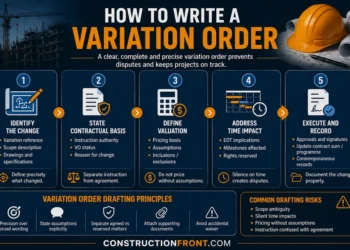
How to Write a Variation Order: Template, Key Clauses, and Common Mistakes
Knowing how to write a variation order matters because this document does more than record a change. It is the contract record...



Knowing how to write a variation order matters because this document does more than record a change. It is the contract record...
Selecting the right contract model is one of the most important commercial decisions on any construction project. Different models create...
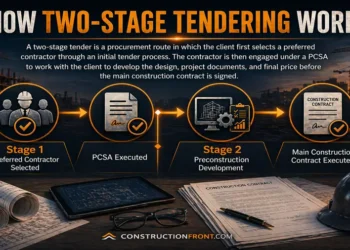
On many construction projects, the hardest procurement decision is often when to ask the market for a final price. If...
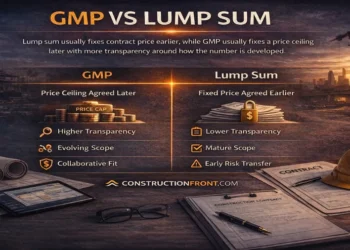
On many construction projects, one of the hardest commercial decisions is when to lock in the price. If the price...
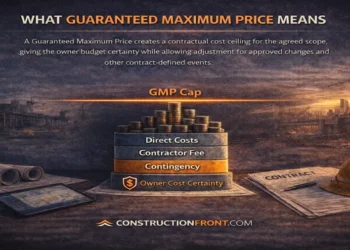
On many construction projects, one of the hardest commercial questions is when to lock in the final price. If the...
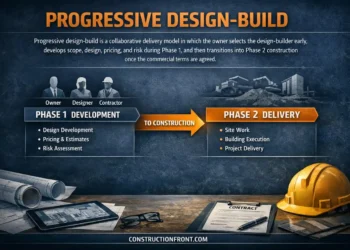
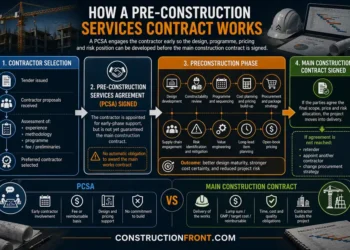
Progressive design-build is a project delivery method in which the owner selects a design-builder early, works collaboratively with that team...
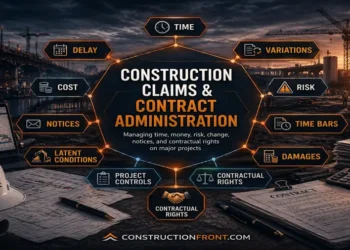
Construction claims and contract administration are the systems project teams use to manage time, money, risk, change, notices, and contractual...
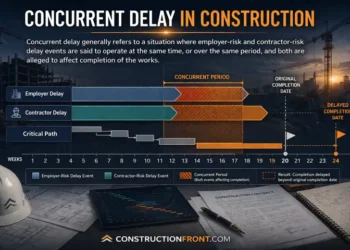
Delay is one of the most disputed issues on construction projects, but some delay disputes are more difficult than others....
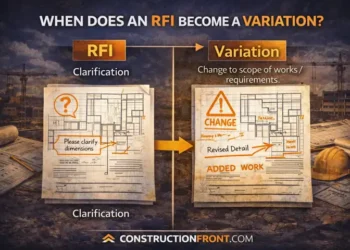
On most construction projects, an RFI is intended to be a request for clarification. In principle, that sounds straightforward. If the contractor needs more information, it asks a question, and the designer, superintendent, or employer responds. In practice, however, the line between clarification and change is often far less clear.That matters because an RFI may start as a simple request for information, but the response may go beyond clarification and alter the work, the sequence, the detail, the materials, or the design responsibility. When that happens, the issue may no longer be just an RFI. It may become relevant to variation, delay, cost entitlement, and disputes over who bears the risk under the contract.In simple terms, an RFI becomes a variation when the response changes the original contractual requirement, such as the scope of works, specification, sequence, design detail, or allocation of responsibility, rather than merely explaining what was already required. In this article, we explore how that happens in practice, why the distinction matters commercially, and how project teams can manage this issue more carefully. What is the difference between an RFI and a variation? An RFI, or Request for Information, is usually a formal written...

Large construction, infrastructure, energy, and industrial developments often require significant upfront capital long before they begin generating revenue. In many...
Stay at the front of the construction industry with the latest news, market trends, and project insights — delivered by ConstructionFront.com